
Stretch Film
Superior Stretch Film Manufacturer Devoted to Fostering Your Business Growth
Product overview
STRETCH FILM
Product overview
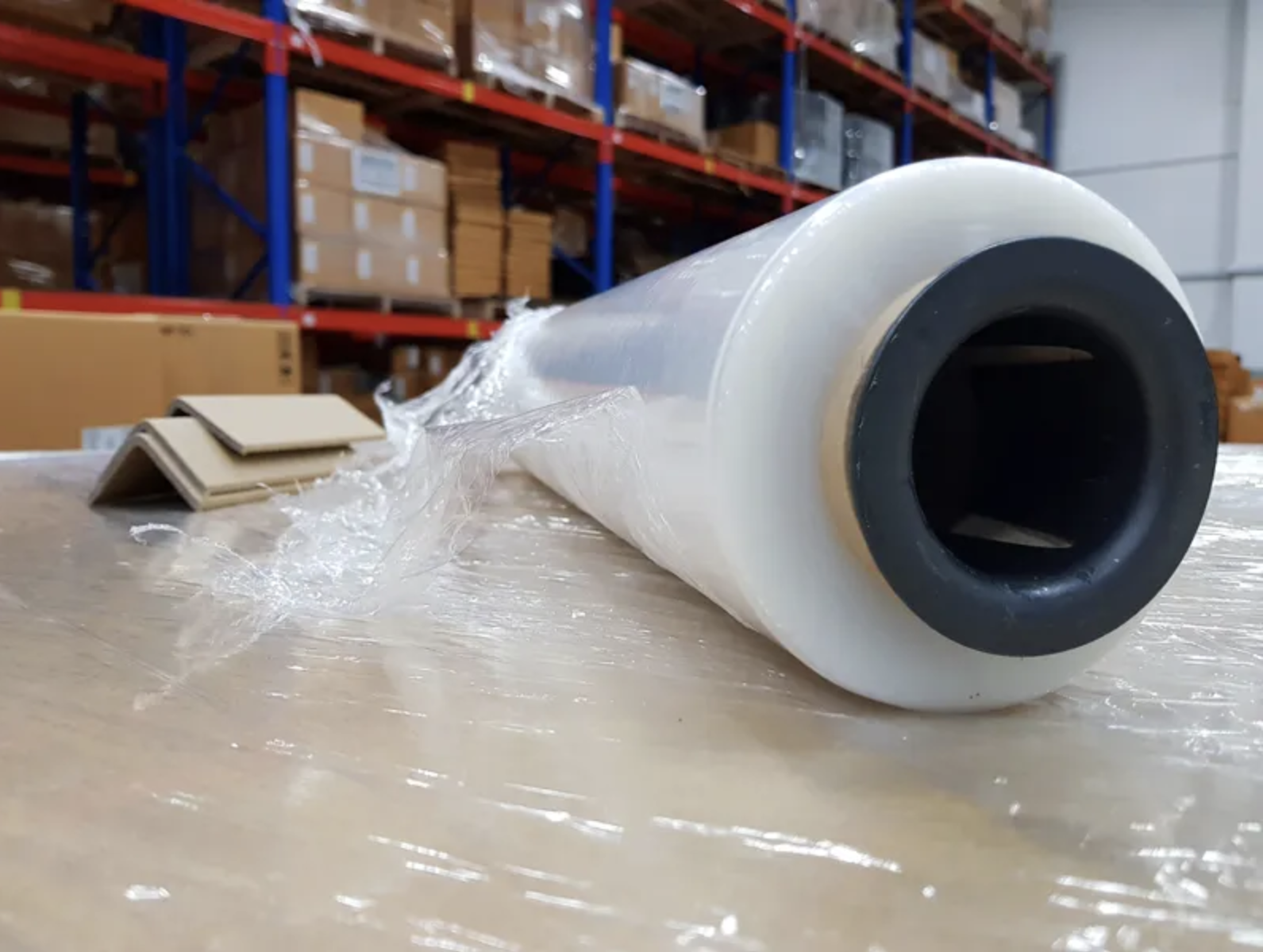
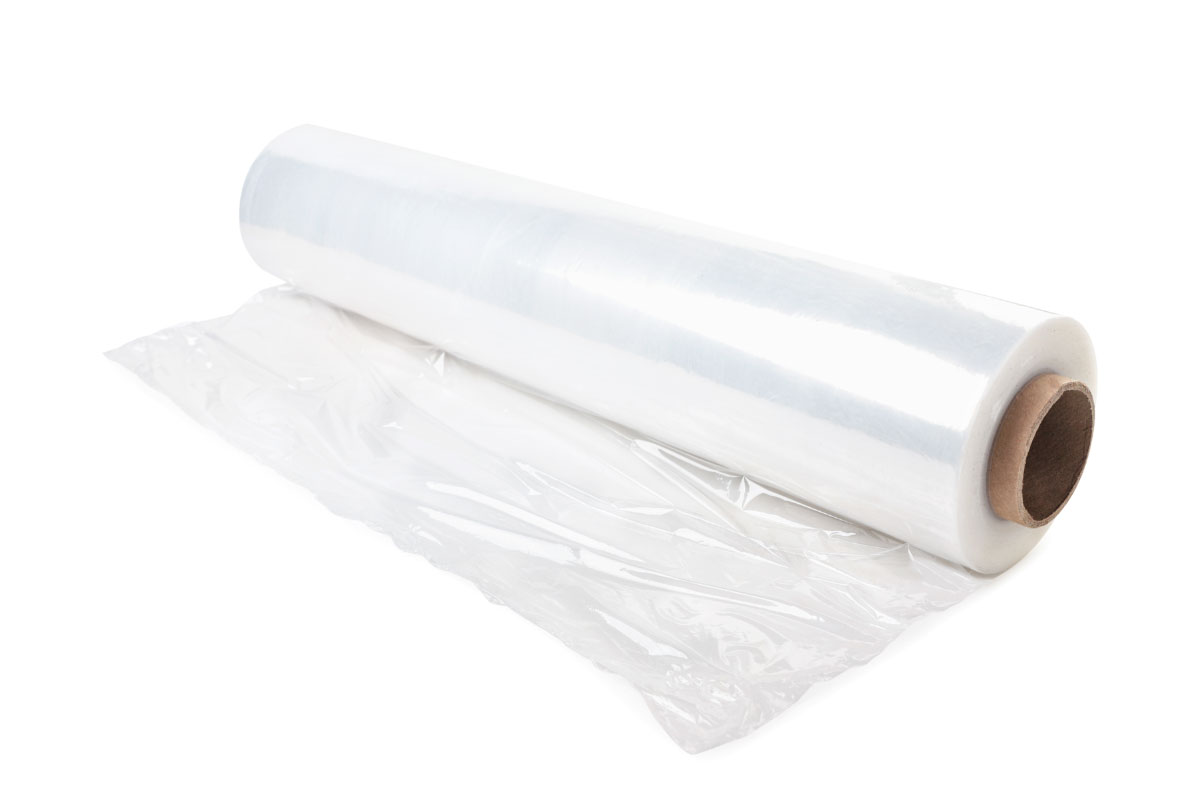
Stretch film is used to stabilize pallet loads and protect products during handling, transport and storage. Available configurations can be selected by width, thickness and intended wrapping process. Confirm puncture resistance, load retention, elongation and compatibility with the wrapping machine against your actual goods and logistics route.
Areas of Use
Hand Stretch Film is used in many areas, we can list the main areas as transportation, kitchen, factories, restaurants, furniture products.
Pallet Top Product Coatings
Furniture Sector
Kitchens
Takeaway Services
Automotive
Introduction To STRETCH FILM
1
Stretch film, also known as stretch wrap, is a highly stretchable plastic film that is commonly used in the packaging industry to secure and protect items for shipping. It’s made from linear low-density polyethylene (LLDPE) which gives it flexibility and strength. Its elastic properties allow it to fit snugly over objects and be easily removed without damaging them or leaving behind any residue. Stretch film can come in various thicknesses with different cling levels depending on its intended use.
2
Common uses of the stretch film include bundling multiple items together, stabilizing pallets of products, protecting loads from moisture and dirt contamination, providing tamper evidence for opened packages, and unitizing multiple cases into one larger package for easier handling. It is also used to secure items during transportation and can be recycled. Stretch film is an essential part of the packaging industry, as it helps ensure that products arrive safe and sound at their destination.
3
One big benefit of using stretch film over other packaging materials such as cardboard or foam is its strength-to-weight ratio. It’s much lighter than other materials, which makes it easy to store, transport, and handle while still providing great protection for whatever it’s used to package.
Our hot selling stretch film
Excellence through innovation, education, and creative stretch packaging solutions.
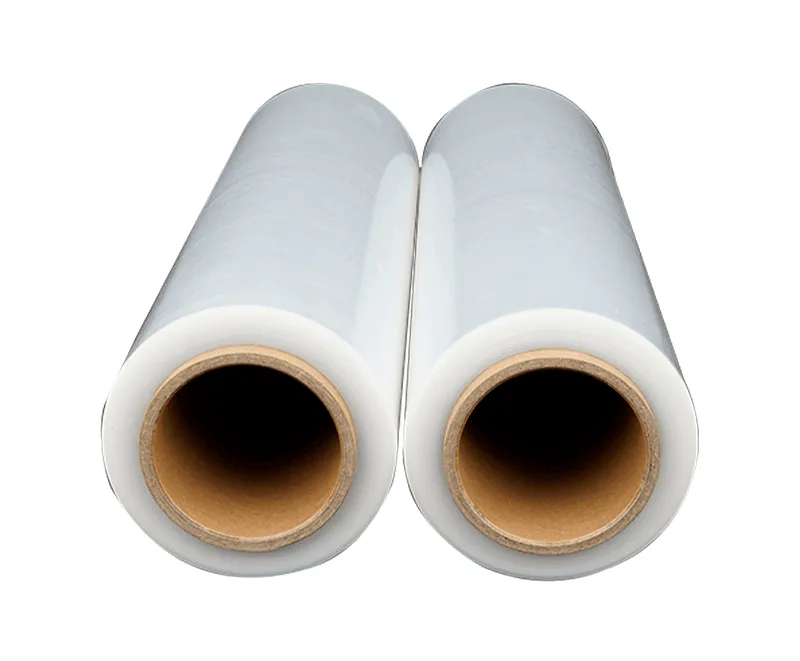
hand stretch film
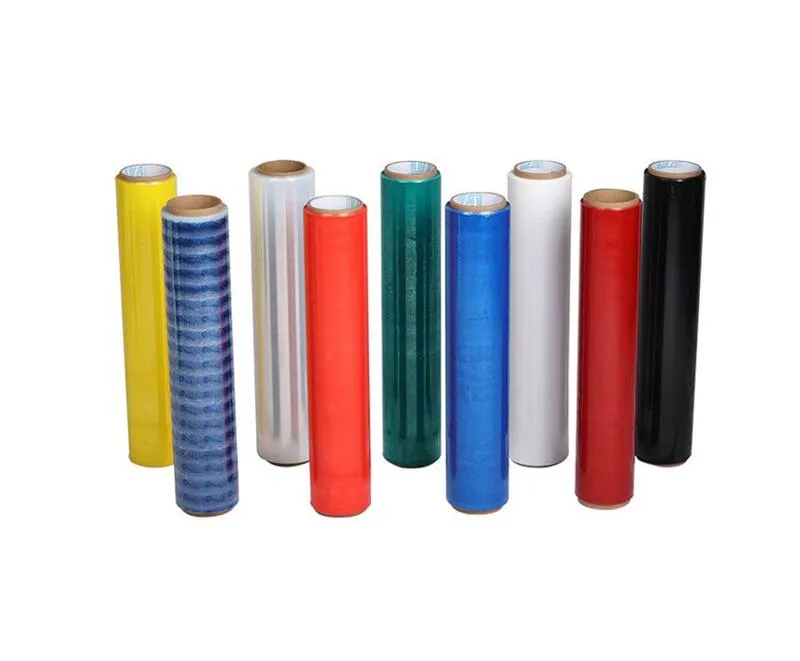
color stretch film
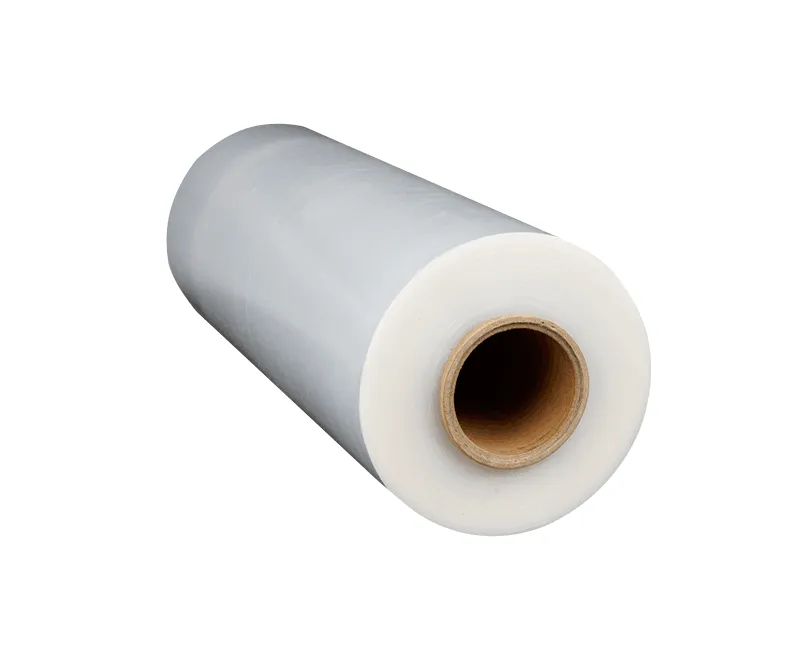
machine stretch film
Applications
Securing the Pallet
One of the easiest and most affordable methods for securing products on a pallet for shipping is stretch wrapping.
Bundlingt
For inventory management, sale, or transit, loose goods can be covertly banded together using a soft hand or bundling/banding wraps
Reels and Rolls’ safety
Rolls of wire or carpet can be fastened with stretch film.
Safeguarding Products
A small layer of protection for things on shelves can occasionally be provided with stretch film.
Transportation
When moving big items, stretch wrapping provides the optimal level of safety and protection.
Features
- Shipping damage is decreased since loads wrapped in the stretch wrap are more secure.
- Stretch films can shield goods from UV rays when they are kept outside for storage.
- Strong, opaque coatings that cover the load’s contents reduce theft.
- Compared to other options like strapping, corrugated boxes, or heat-shrink film, stretch wrap film is more economical.
- Stretch-film equipment is frequently more affordable when compared to alternatives like shrink-wrapping and strapping technology.
Production processes
Blown Stretch Film
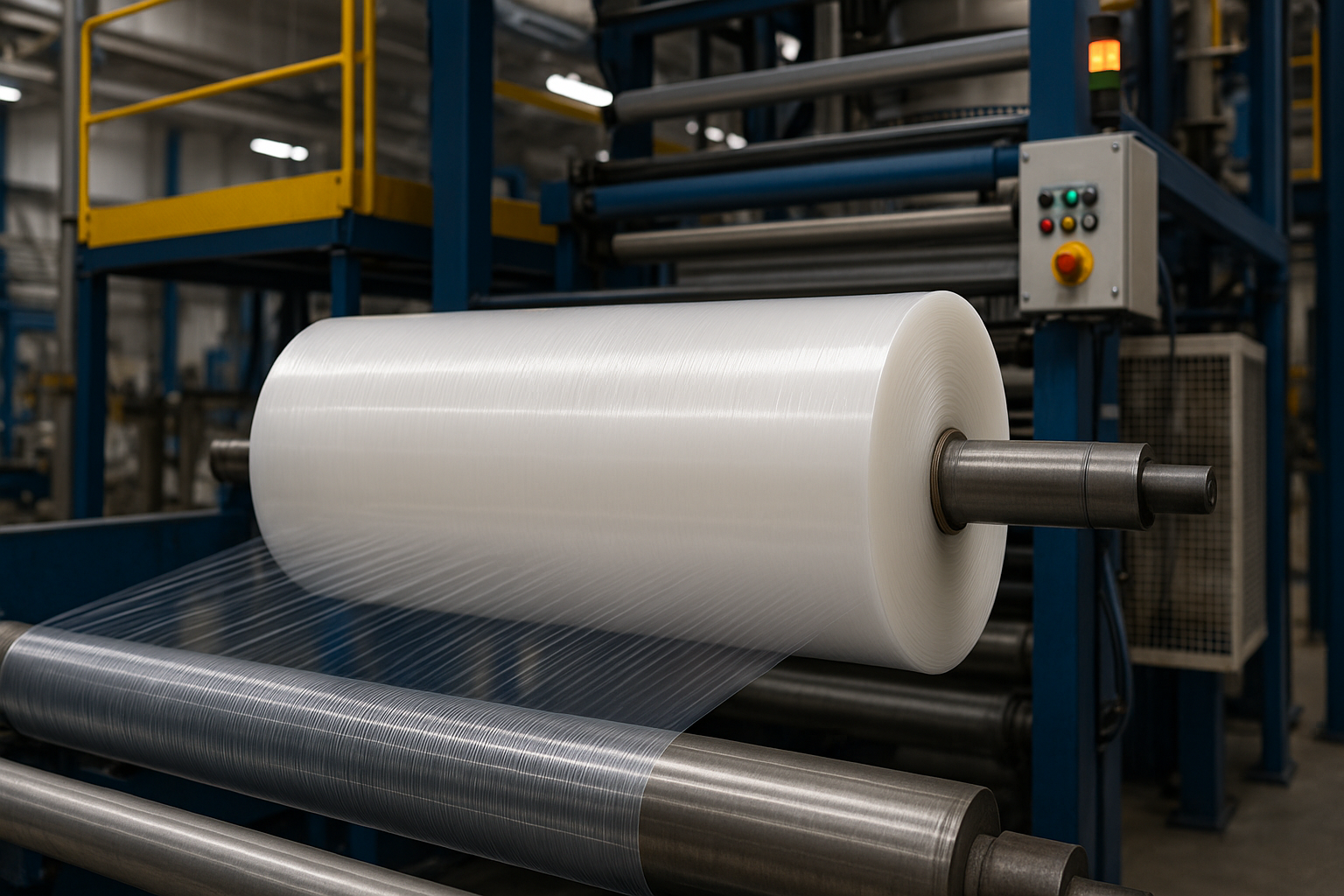
A significant air bubble is blasted inside a circular die as a thick layer of the extruded film emerges from it to create the blown film. The volume of the bubble, along with the original diameter and thickness of the extruded tube, all contribute to the final gauge (thickness) of the material. Rollers pull the film up, causing the vertical bubble to burst and controlling the winding of the thin, flat tube of film. The bubble, which may stand several feet tall, enables a slow cooling of the film. As the film is extruded during the rewind process, edges are frequently trimmed off, rolls are diced to width, and coils are coiled in line. It is estimated that 20–30% of a stretch film made now gets blown.
Cast Stretch Film
Production of cast films happens distinctly. In this case, the resin is extruded through a linear die and leaks out onto large-diameter chilling rollers. The film may occasionally be thinned to the intended gauge by winding the resulting film more quickly than it is extruded, depending on the original thickness of the extrusion (note that they may not be cold, but rather are significantly cooler than the semi-molten plastic). Cast film makes up, according to industry estimates, the remaining 70–80% of stretch film production.
Nexis Group
STRETCH FILM
Export enquiry
Request a technical quotation
Tell us about the product, destination and expected volume. The relevant regional team will review your request.
Stretch Film