
Silage Stretch Film
Superior Stretch Film Manufacturer Devoted to Fostering Your Business Growth
Product overview
silage stretch
Product overview
Nexis silage stretch film utilizes advanced technology for storing, processing, and preserving the nutritional value of forage. This method allows farmers to silo and store goods in open spaces with minimal time and cost while maintaining quality. Ensuring high-quality forage for animal health is a key priority, and the flexibility of the final product in palletized packaging enhances storage efficiency. This contributes to better preservation and management of the stored forage. Produced using standard methods, Nexis silage stretch film comes in widths of 10 to 240 cm and thicknesses of 8 to 50 microns. With consistent quality control, it can be reliably used in packaging machinery with confidence.
Areas of Use
Silage Stretch Film is used in many areas, we can list the main areas as farms, agricultural products packaging, greenhouse cultivation.
Greenhouses
Farms
Construction
Warehouses
Silage Stores
Introduction To silage stretch film
1
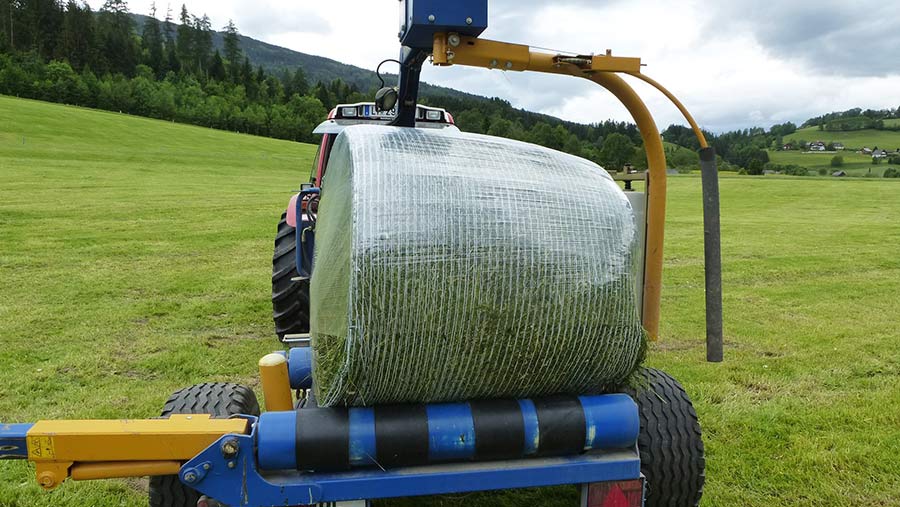
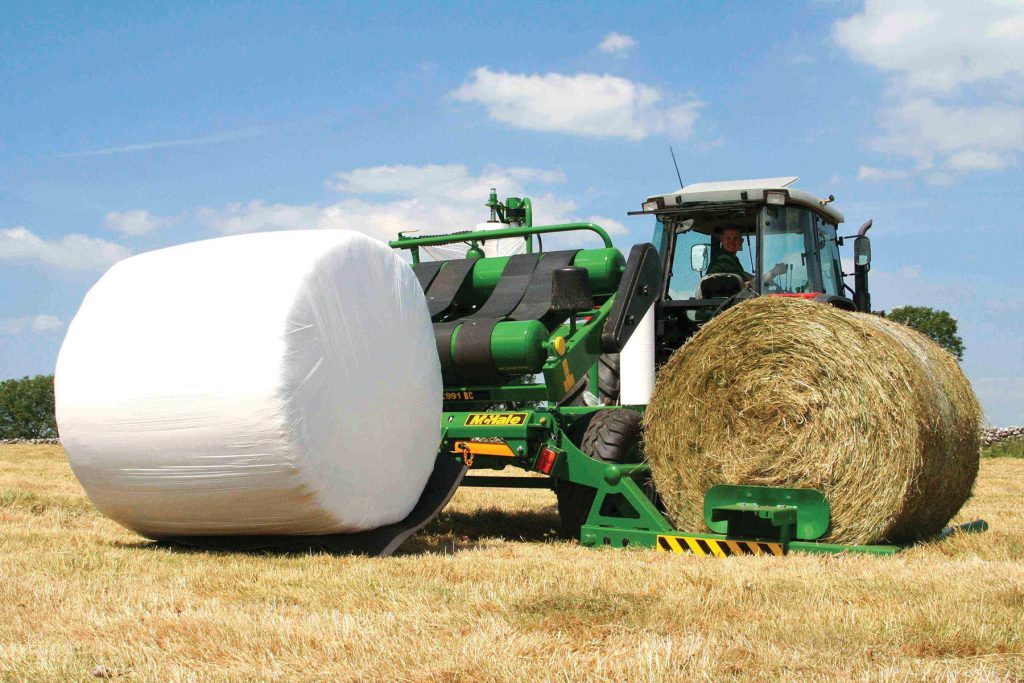
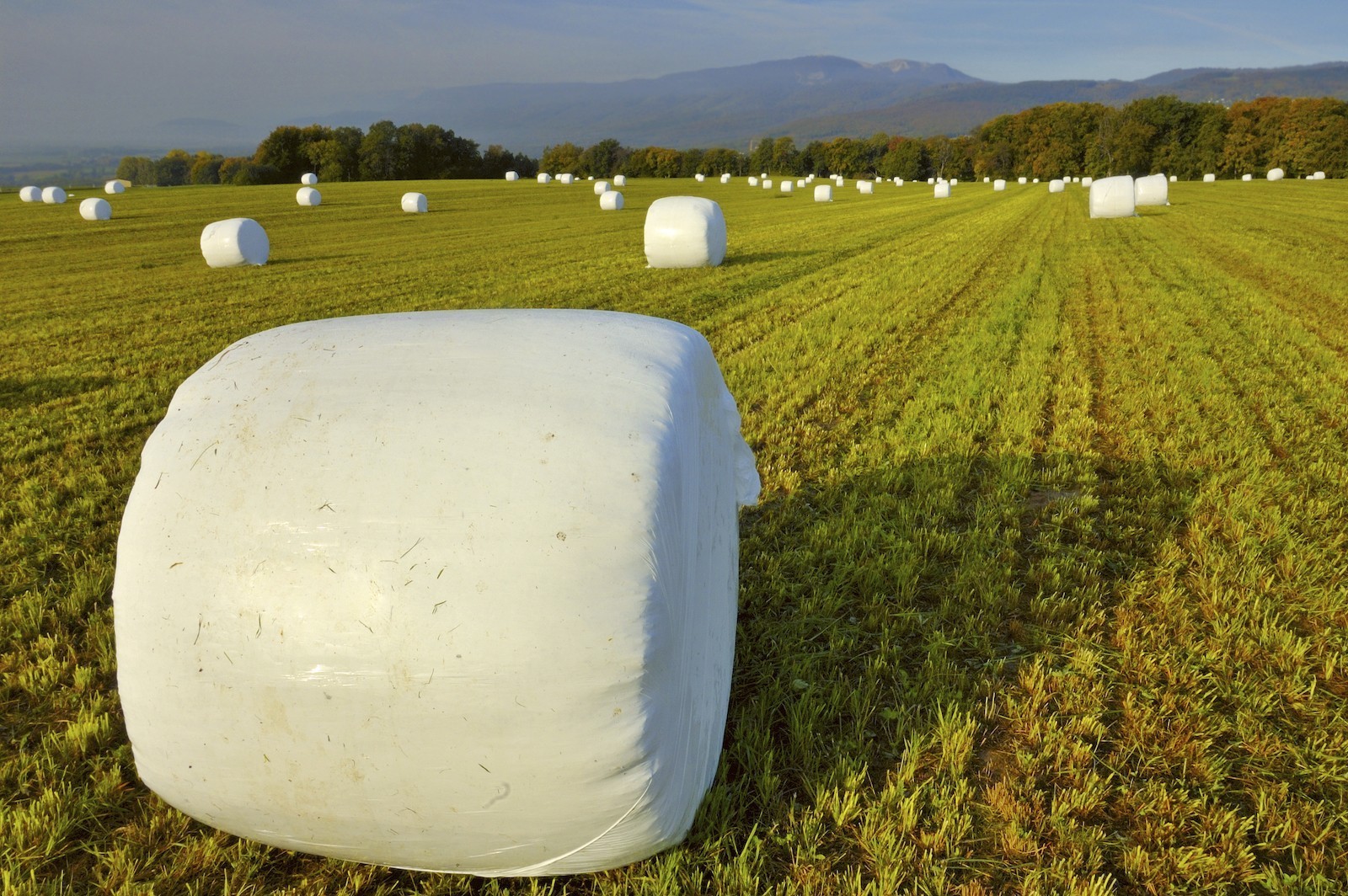
Silage stretch film is a specialized plastic wrapping material used in agriculture to preserve and protect silage, a type of animal feed made from fermented crops such as grass, corn, or alfalfa. The film plays a critical role in the ensiling process, which involves fermenting and storing high-moisture forage under anaerobic (oxygen-free) conditions to maintain its nutritional value and prevent spoilage.
Our hot selling stretch film
Excellence through innovation, education, and creative stretch packaging solutions.
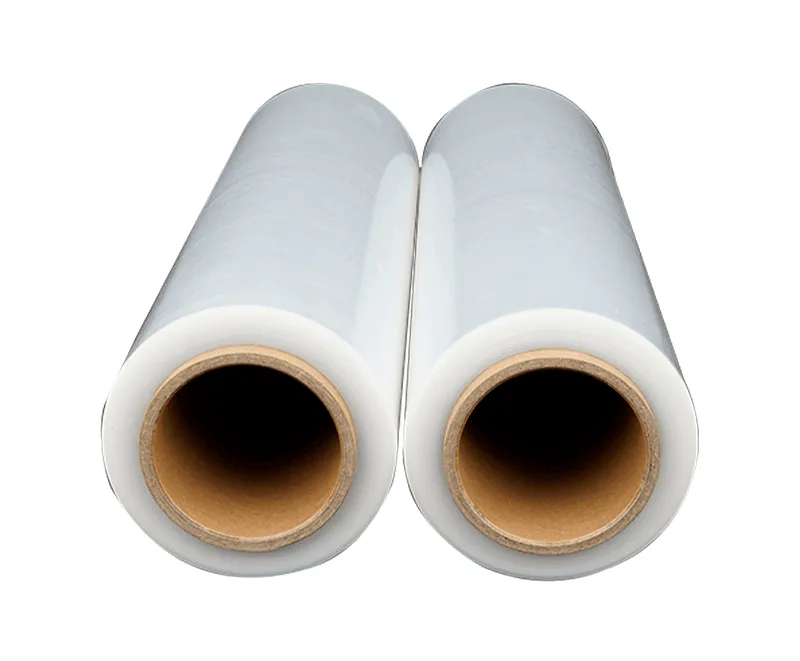
hand stretch film
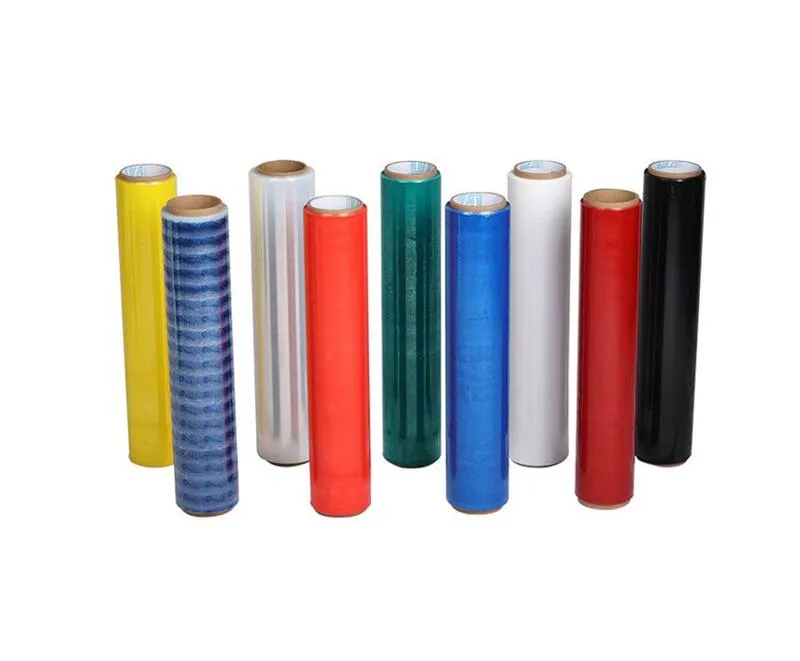
color stretch film
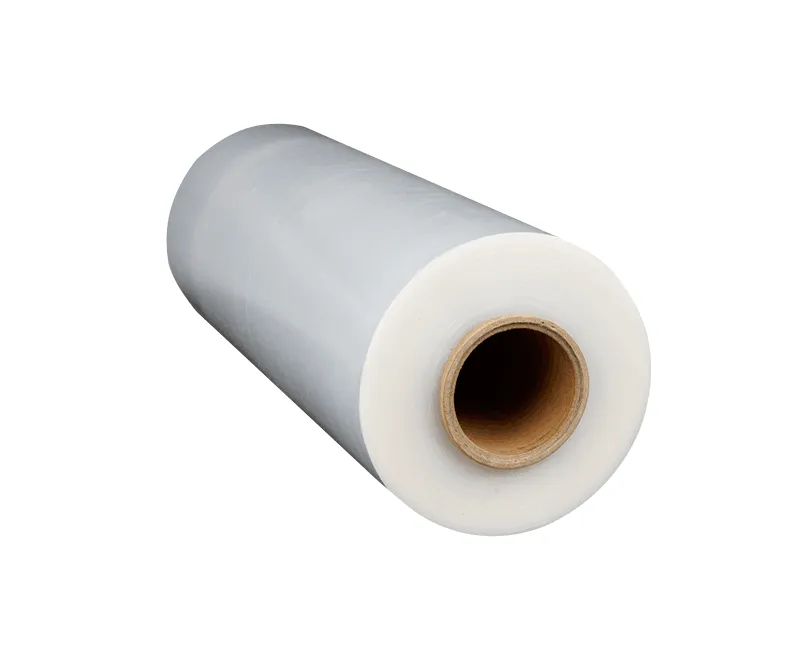
machine stretch film
Applications
Preserving Silage Quality:
Stretch film, with its tight and airtight packaging, prevents air from entering the silage stack. This ensures proper fermentation, allowing the silage to retain its nutritional quality.
Extending Silage Shelf Life:
The stretch film blocks moisture, air, and environmental contaminants from reaching the silage, enhancing its longevity and minimizing spoilage during storage.
Protecting Livestock Feed:
The stretch covering safeguards the silage from contamination by soil particles, gravel, and other undesirable pollutants, ensuring that livestock receive healthy, nutrient-rich feed.
Reducing Waste:
Using agricultural stretch film significantly cuts down on silage waste during storage.Overall, employing stretch film as a silage cover plays a vital role in maintaining quality, prolonging shelf life, and reducing waste of this valuable livestock feed.
Features
- Highly absorbent capability
- Protects products from moisture and dust infiltration
- Thin diameter yet highly durable
- Stretchable with a high elasticity factor, ensuring it won’t tear no
- matter how much it’s stretched
- This product serves as an excellent insulator, preventing water
- from penetrating agricultural products
Production processes
Silage stretchproduction process:
Silage stretch film, commonly used in agriculture to wrap and preserve silage bales, is typically made from polyethylene (PE), often linear low-density polyethylene (LLDPE), due to its flexibility, strength, and elasticity. The production process involves several key steps, primarily utilizing extrusion techniques—either blown film extrusion or cast film extrusion—both of which are standard in the industry for creating thin, durable plastic films. Here’s an overview of the process
Raw Material Preparation:
The process begins with selecting high-quality polyethylene resin, usually LLDPE, which provides the necessary stretch and puncture resistance. Additives are mixed into the resin to enhance specific properties: UV stabilizers to protect against sunlight degradation, tackifiers for cling (so the film sticks to itself during wrapping), and sometimes pigments for color (e.g., green, white, or black). These materials are blended in precise ratios to meet the film’s performance requirements, such as durability and airtightness for silage preservation.
Extrusion:
<strong style='padding-left:20px'>Blown Film Extrusion: </strong> In this method, the blended resin is melted in an extruder—a machine that heats and compresses the material into a molten state. The molten plastic is then forced through a circular die, forming a tube. Air is blown into the tube, inflating it like a bubble, which stretches the film both vertically and horizontally. The bubble is cooled by air as it rises, solidifying the film. The tube is then collapsed, slit, and wound into rolls. This process creates a film with balanced strength in multiple directions, ideal for silage wrapping.<br><br><strong style='padding-left:20px'>Cast Film Extrusion: </strong> Alternatively, in cast extrusion, the molten resin is extruded through a flat, wide die onto a chilled roller, which rapidly cools and solidifies the film into a flat sheet. The film is stretched slightly as it’s pulled off the roller, ensuring uniform thickness. This method produces a clearer, more consistent film with excellent oxygen barrier properties, often preferred for high-quality silage stretch film. Cast extrusion typically allows higher production speeds and lower costs compared to blown film.
Layering (Co-Extrusion):
Modern silage stretch films are often multi-layered (e.g., 3, 5, or 7 layers) to optimize performance. This is achieved through co-extrusion, where multiple extruders feed different resin blends into a single die, creating a film with distinct layers. For example, the outer layer might include tackifiers for cling, while inner layers enhance strength and oxygen impermeability. This step is critical for ensuring the film’s ability to maintain an airtight seal, promoting anaerobic fermentation in silage.
Cooling and Stretching:
After extrusion, the film is cooled to set its structure. In blown film, cooling occurs as the bubble rises; in cast film, it’s the chilled roller. Controlled stretching during or after extrusion adjusts the film’s thickness (typically 25 microns for silage film) and enhances its elasticity, ensuring it can stretch significantly without tearing when wrapped around bales.
Winding and Quality Control:
The finished film is wound onto rolls, often 750mm wide and 1500m long, standard sizes for silage wrapping machines. During this stage, quality checks are performed to verify thickness uniformity, stretchability, cling, and puncture resistance. Some manufacturers mark each roll with a production code for traceability, ensuring any issues can be traced back to the batch.
Packaging and Distribution:
The rolls are boxed or palletized, often with 20 rolls per pallet, and shipped to agricultural suppliers or farmers. The film is designed to be compatible with bale wrapping equipment, ensuring ease of use in the field.
Nexis Group
silage stretch
Export enquiry
Request a technical quotation
Tell us about the product, destination and expected volume. The relevant regional team will review your request.
Silage Stretch Film