
Food Stretch Film
Superior Stretch Film Manufacturer Devoted to Fostering Your Business Growth
Product overview
FOOD STRETCH FILM
Product overview
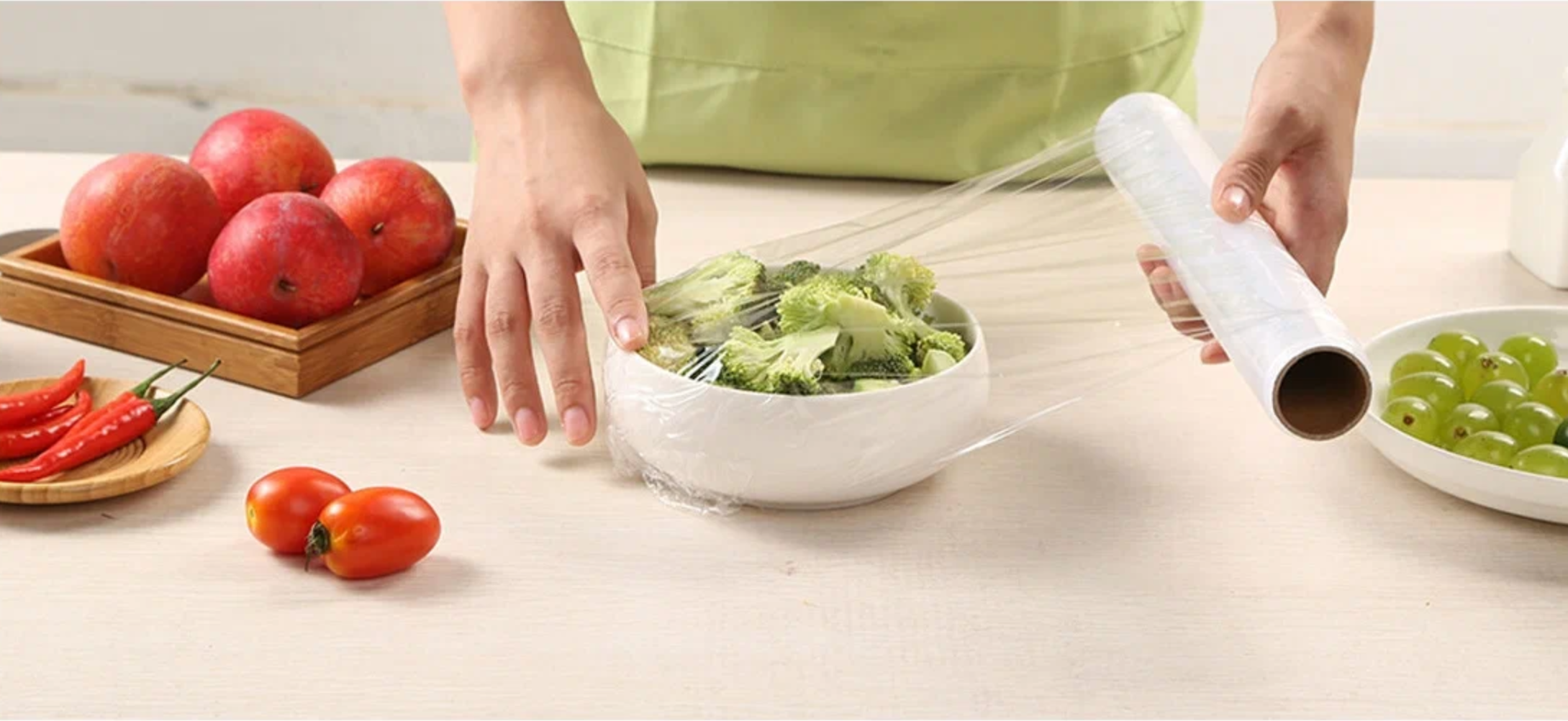
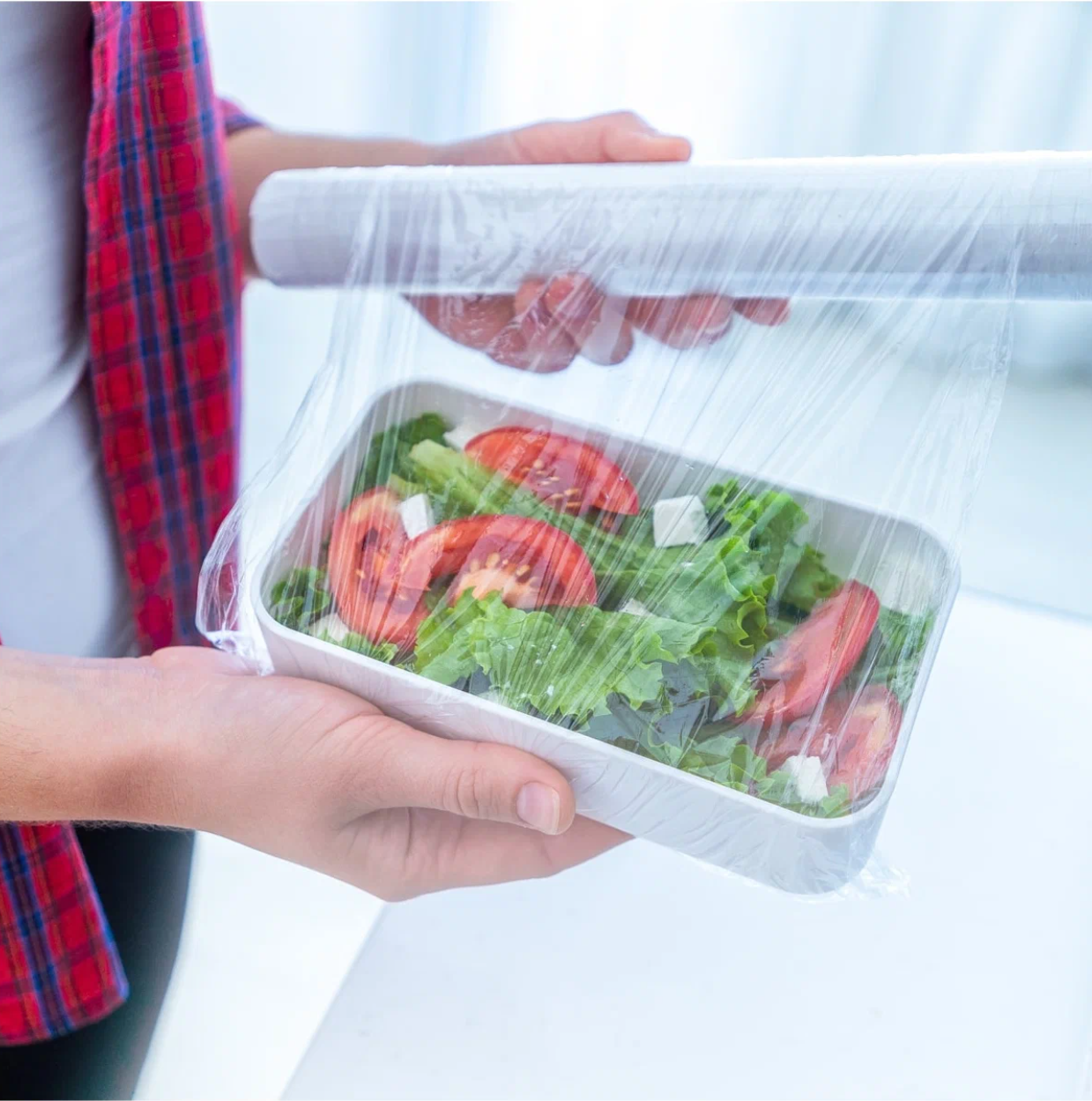
The most important feature of food stretch film is protecting food from dust and maintaining product safety during transportation. This product, by vacuum-sealing the food, prevents it from spoiling quickly. Additionally, its gloss and transparency enhance the aesthetic appeal of product packaging, and despite its thinness, it offers high durability. This characteristic makes it highly resistant to damage. Nexis food stretch film is produced using standard methods, with anti-fog properties for both cold and hot conditions, and is made from LLDPE material. It is available in widths ranging from 10 cm to 2 meters and thicknesses from 8 to 45 microns.
Areas of Use
Food Stretch Film is used in many areas, we can list the main areas as restaurants, home kitchens, cafes.
Cafes
Supermarkets
Kitchens
Bakery / Patisseries
Canning and Packaging Industry
Introduction To FOOD STRETCH FILM
1
Food stretch film is an essential tool in modern food packaging, designed to safeguard products from external contaminants like dust and moisture. Its primary function is to maintain food safety and freshness, especially during transportation, by creating a tight seal around the product. This protective layer not only extends shelf life but also ensures that food reaches consumers in optimal condition, making it a go-to solution for both commercial and household use.
2
Despite its thin appearance, food stretch film boasts impressive durability and strength. Typically made from materials like LLDPE (Linear Low-Density Polyethylene), it resists tearing and damage, even under stress. Additionally, its glossy and transparent finish enhances the visual appeal of packaged goods, making products stand out on shelves while allowing consumers to see the contents clearly—an ideal blend of practicality and aesthetics.
3
What sets food stretch film apart is its adaptability and efficiency. Available in various widths and thicknesses, it can be tailored to suit different packaging needs, from small portions to bulk items. Features like anti-fog properties for cold and hot conditions ensure versatility, while its vacuum-sealing capability prevents rapid spoilage. Whether for industrial use or everyday storage, food stretch film delivers reliable performance with minimal material, proving both cost-effective and environmentally conscious.
Our hot selling stretch film
Excellence through innovation, education, and creative stretch packaging solutions.
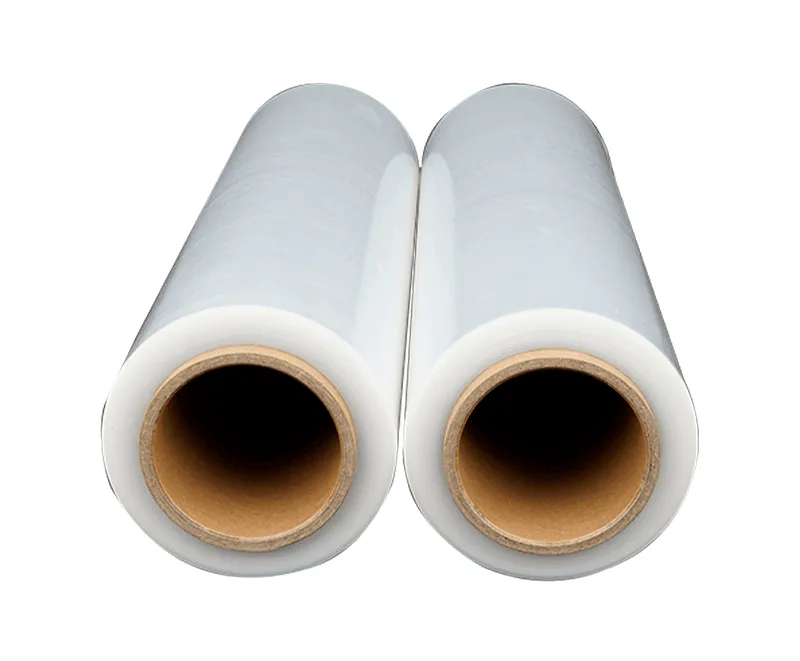
hand stretch film
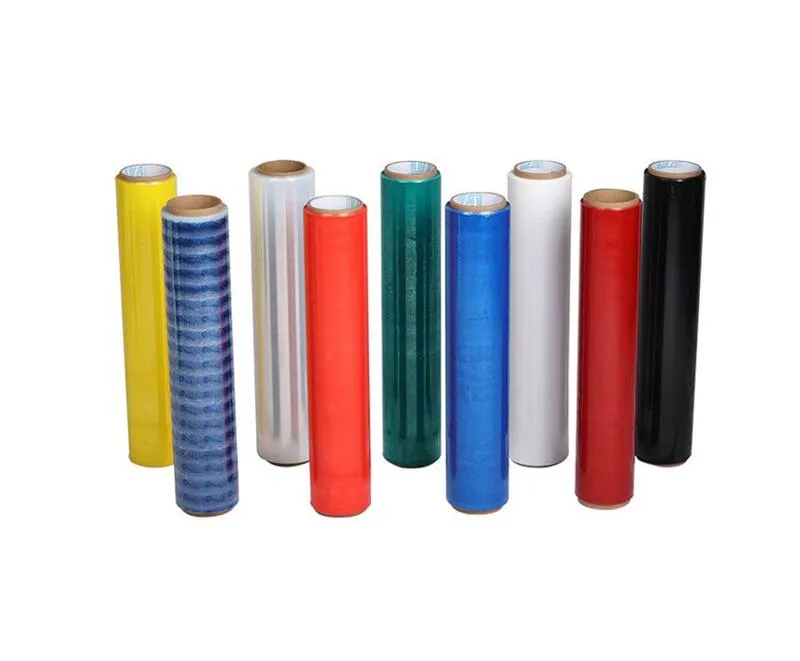
color stretch film
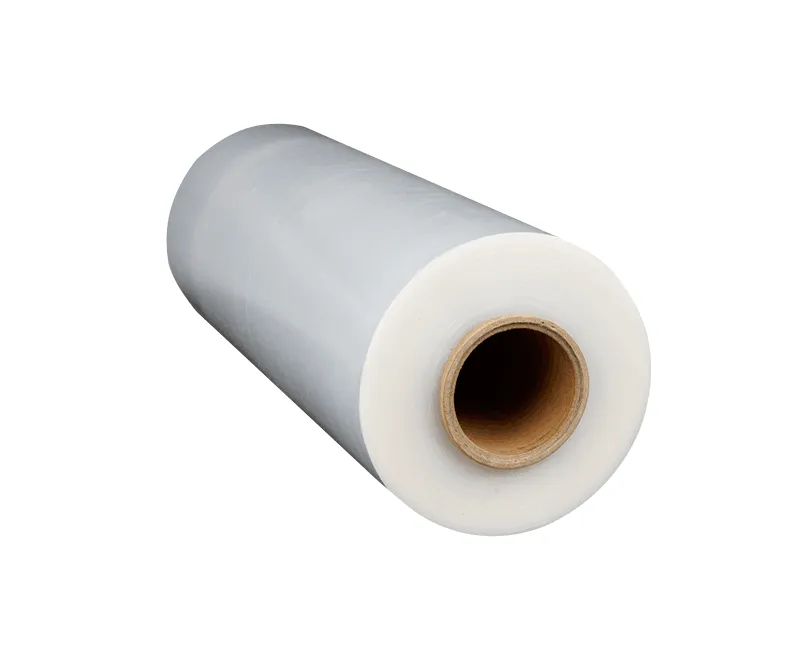
machine stretch film
Applications
Preserving Food Freshness
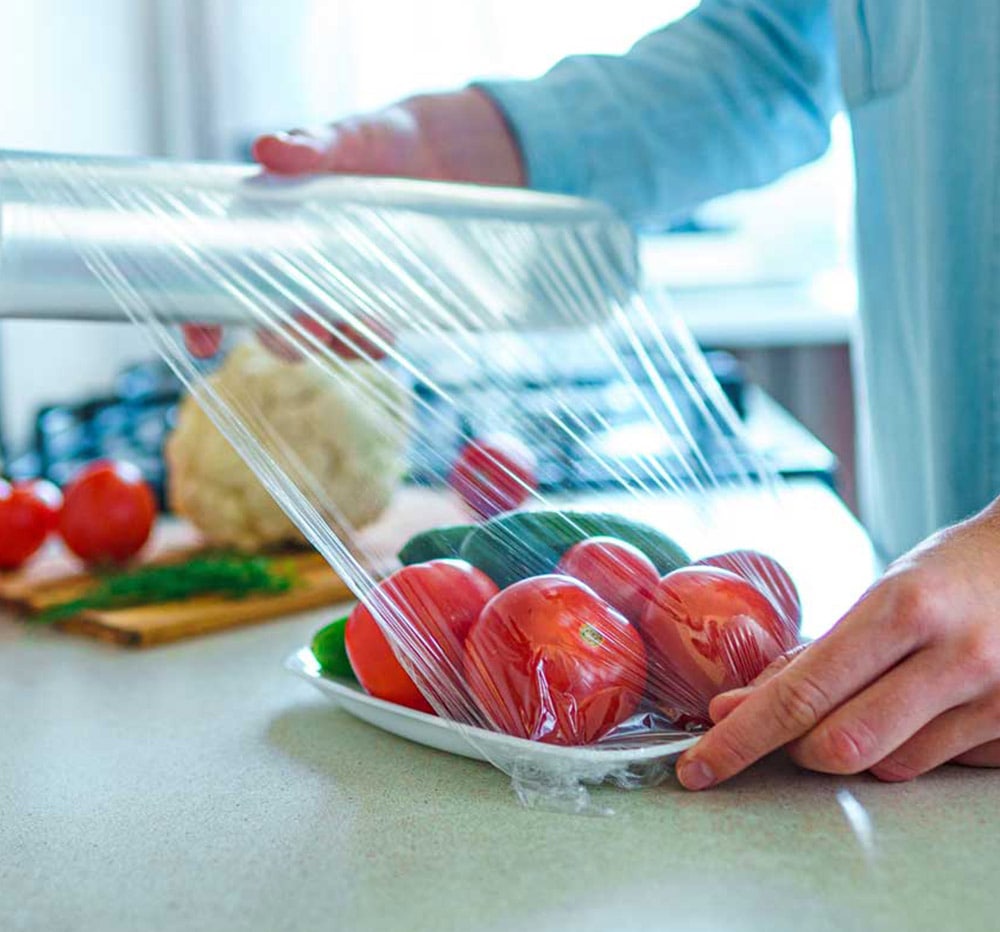
Food stretch film seals out air and contaminants, keeping meats, fruits, and cheeses fresh during storage or shipping.
Bundling Portions
It securely bundles loose food items like trays or vegetables for easy handling, inventory, or sale.
Protecting During Transit
With strength and clarity, it safeguards perishables in transit, maintaining quality and visibility.
Enhancing Shelf Display
Its glossy transparency highlights food’s appeal on shelves, attracting customers while offering a thin protective layer.
Preventing Freezer Burn
Food stretch film tightly wraps frozen goods, preventing air exposure and freezer burn for long-term storage.
Features
- Anti-fog property
- High strength
- High elasticity
- Proper adhesion
- Transparency
Production processes
Cast Extrusion Process
The cast extrusion process is a widely used method for producing food stretch film, favored for its efficiency and ability to create clear, uniform films. In this process, linear low-density polyethylene (LLDPE) pellets are melted and extruded through a flat die, forming a thin sheet that’s rapidly cooled on chilled rollers. This results in a glossy, transparent film with excellent clarity and consistent thickness, ideal for food packaging where visibility and aesthetics matter. Its high output rate and smooth texture make it suitable for both manual and machine applications, ensuring food safety and freshness.
Blown Extrusion Process
The blown extrusion process offers a different approach, producing food stretch film with superior strength and cling properties. Here, melted LLDPE is extruded through a circular die, forming a tube that’s inflated with air into a bubble, then cooled and collapsed into a flat film. This method enhances puncture resistance and elasticity, making it perfect for wrapping irregular food items or securing pallets during transport. Though slower and less transparent than cast film, its durability and cling make it a strong choice for demanding food preservation needs.
Comparison and Application
Both cast and blown processes cater to food stretch film production, but their applications differ based on specific needs. Cast film excels in high-speed production and clarity, often used for household wraps or retail food displays, while blown film’s toughness suits industrial packaging and frozen goods. Additives like anti-fog agents or UV stabilizers can be incorporated in either process to enhance functionality, ensuring the film meets food-grade standards. The choice between them depends on factors like cost, strength, and intended use in preserving food quality.
Nexis Group
FOOD STRETCH FILM
Export enquiry
Request a technical quotation
Tell us about the product, destination and expected volume. The relevant regional team will review your request.
Food Stretch Film