
Silage stretch film: turn a field trial into a purchase specification
Compare bale coverage, sealing and handling performance under the conditions in which forage is actually wrapped.
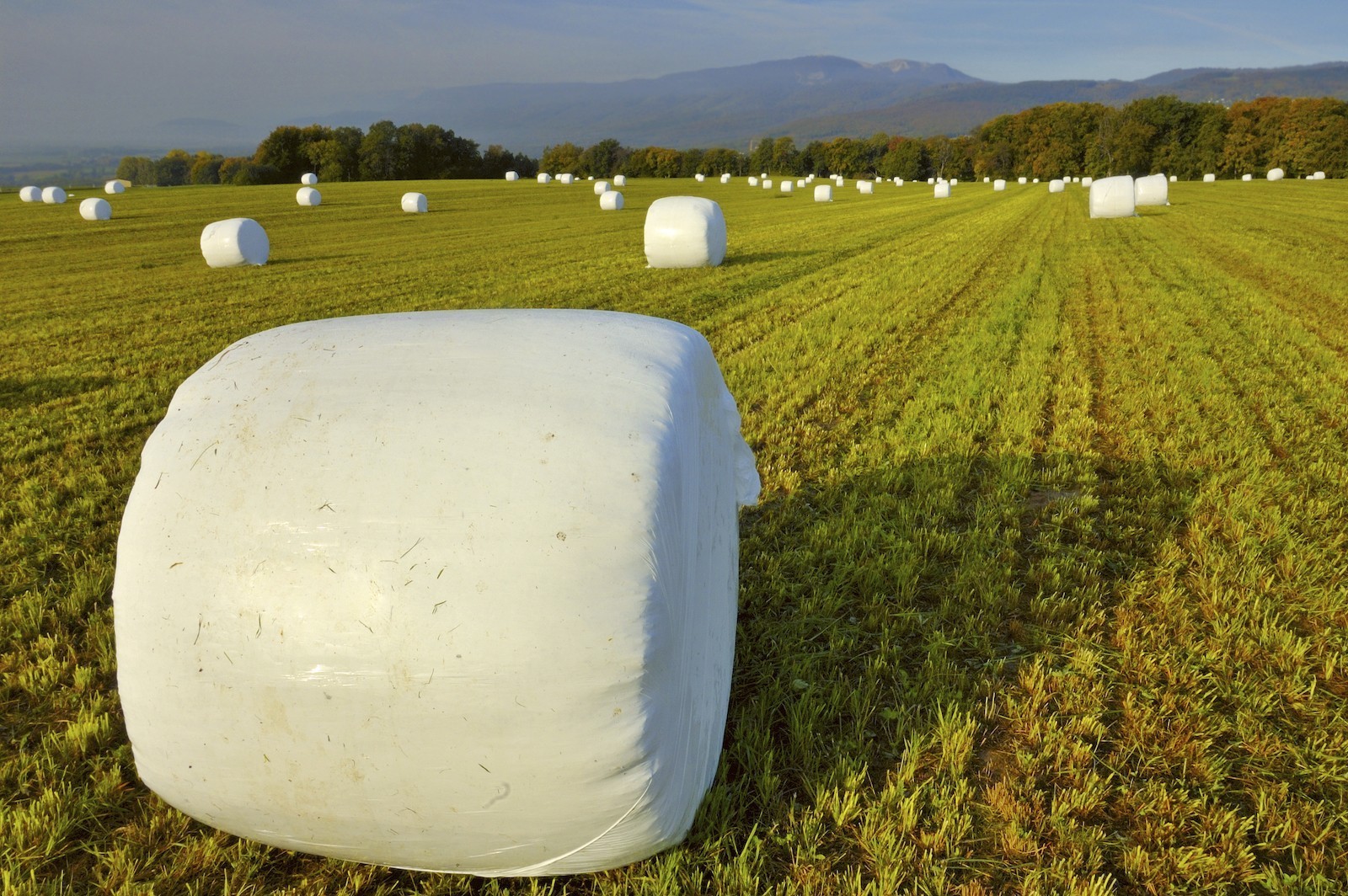
A silage film quotation should be evaluated around forage quality and the wrapping operation, not only around roll price or nominal thickness. Bale geometry, wrapper condition, forage moisture and storage conditions can change the outcome of a trial.
Record the job before choosing film
Document bale diameter and shape, crop type, wrapping machine, roll width, intended number of layers and typical storage duration. Identify exposed edges, contact with stubble, forklift or bale-grab handling, and the climate at the storage site. A supplier cannot meaningfully compare products without these inputs.
Run a controlled field comparison
Wrap representative bales on the same machine with the same settings. Record the number of bales per roll, film breaks, uneven coverage, edge sealing, cling and handling damage. Inspect a sample after storage for holes and loose layers. Keep the crop and handling method comparable; a change in forage or wrapper settings can overwhelm differences between films.
Specify the supply, not just the sample
Agree on roll and core dimensions, thickness tolerance, batch identification and storage instructions. If UV exposure is expected, request the manufacturer's applicable performance information and verify the claim for the actual storage period and region. Record the trial lot and compare the first commercial shipment with it.
For a Nexis proposal, send the destination, wrapper model, bale size, annual roll demand and photos of the current failure points. A short trial protocol shared by the farm, converter and buyer makes repeat orders easier to approve.