
Machine stretch film for export pallets: a practical selection guide
Choose machine stretch film by load containment, puncture risk, pre-stretch performance and transport conditions—not by thickness alone.
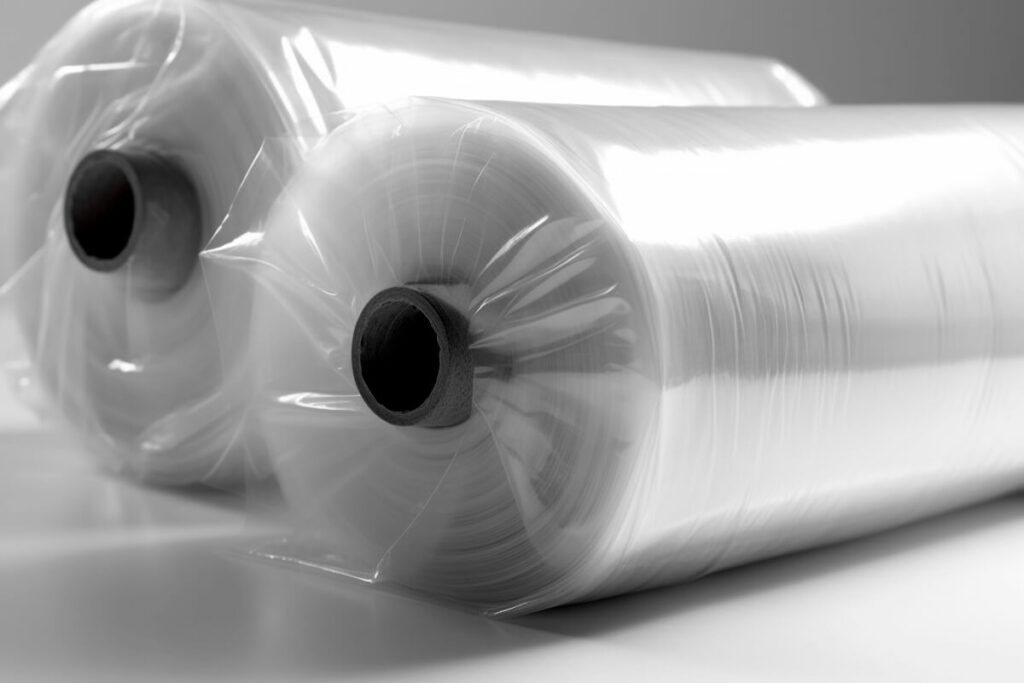
Export pallets face a different risk profile from loads moving between nearby warehouses. Long transit times, repeated handling, temperature changes and uneven road or sea conditions can expose small packaging weaknesses. The right machine stretch film specification should therefore begin with the load and the distribution route, not with a target micron value.
Start with the pallet load profile
Record the pallet weight, height, footprint and centre of gravity. Then identify sharp corners, protrusions, unstable layers and products that may settle during transport. A uniform pallet of boxed goods behaves differently from bagged resin, beverage trays or irregular industrial components. These details determine how much holding force and puncture resistance the film must provide.
Match the film to the wrapping machine
Machine stretch film must operate within the real pre-stretch range of the wrapper. A film described as high-performance will not deliver its intended value if the carriage, rollers or tension settings cannot apply it consistently. Confirm the machine type, pre-stretch ratio, wrap pattern, turntable speed and any recurring film-break points before approving a specification.
Evaluate containment, not roll price
The most useful commercial measure is cost per securely wrapped pallet. A lower-priced roll can become more expensive if it requires extra revolutions, creates frequent breaks or allows product movement in transit. During a controlled trial, compare film weight per pallet, wrapping time, load stability and damage after handling.
Account for the export route
Warehouse temperature, outdoor storage, container heat and the length of the logistics cycle can affect film behaviour. Loads travelling through hot climates may need a different balance of cling, relaxation and puncture performance from pallets distributed in controlled indoor conditions. If the pallet will remain exposed to sunlight, confirm whether UV stability is required.
Use a repeatable trial protocol
- Wrap representative pallets using documented machine settings.
- Measure film consumption per pallet rather than per roll.
- Check containment force at the top, middle and bottom of the load.
- Inspect corners, tails and film breaks after handling simulation.
- Recheck stability after a realistic holding period.
Information to include in an RFQ
A useful request for quotation should include annual or monthly volume, roll dimensions, core size, machine details, typical pre-stretch, pallet photographs, load weight, destination market and expected storage conditions. This information allows a supplier to recommend a technically relevant film and reduces the time needed for sampling and approval.
Nexis Group supports specification review, sampling and export coordination for machine and hand stretch film. Share your pallet profile, wrapping equipment and destination with our commercial team to prepare a focused recommendation.